
CRANE REPAIRS AND MAINTENANCE
Crane repairs and maintenance are therefore major technical tasks. They
prevent breakdowns, optimise the life of equipment and limit the cost of maintenance.
risk of accidents due to mechanical, electrical or hydraulic failure.
This training aims to give professionals the skills they need to intervene in the following areas
operate different types of cranes efficiently, in compliance with safety standards and regulations
in force. It combines theoretical contributions and practical exercises to develop an in-depth understanding of the issues.
rigorous methodology for diagnosis, preventive maintenance and troubleshooting.
EDUCATIONAL OBJECTIVES
- Identify the main components of a crane.
- Carry out preventive maintenance operations.
- Diagnose a mechanical, electrical or hydraulic fault.
- Carry out troubleshooting operations safely.
- Applying regulations and safety instructions.
PUBLIC CONCERNED
- Maintenance technicians.
- Machinery mechanics.
- Electromechanics.
- Industrial maintenance agents.
- Employees of construction and public works companies.
PRE-REQUISITES
- Basic knowledge of mechanics and/or electricity.
- Experience in the building and civil engineering or industrial maintenance sector (recommended).
- Ability to work at height.
- Electrical clearance.
RATE
4900€
DURATION OF THE COURSE AND ORGANISATIONAL ARRANGEMENTS
70 hours classroom-based training + 140 hours of work experience.
PLACE OF TRAINING
- 11 Rue des scarabées- ZI Collery II - Lotissement Marengo.
- 28 Rue Lérol 97351 Matoury.
- 20 Rue Thiers - 97320 Saint-Laurent Du Maroni.
TEACHING RESOURCES AND METHODS
- Theoretical input.
- Case studies.
- Practical work on a crane or model.
- Real-life situations.
PROFILES OF THE TRAINER(S)
Specialist trainers who are experts in their field.
TECHNICAL RESOURCES
We take care to provide an appropriate working environment and the technical resources needed for effective learning: rooms that are accessible, quiet and spacious, with natural light, air-conditioning, equipped and connected, recent teaching equipment: computers, video projector, screen, software,
Office suite.
ASSESSMENT METHOD
- MCQS.
- Practical and theoretical assessment.
This training leads to a certificate at the end of the course, as well as a certificate of completion.
success.
CONTACT
06 94 93 46 32 or 05 94 27 37 27
contact@abondanceformation.com
ACCESSIBLE TO THE DISABLED
If a beneficiary has particular constraints due to a disability, please contact us at
contact us beforehand so that we can adapt the action of
training.
BLOCKS OF SKILLS TO BE VALIDATED
Today, this training covers all the skill blocks and you can't just skip a block.
ACCESS PROCEDURES AND DEADLINES
To register, visit contact@abondanceformation.com / Registration form.
The average lead time for accessing one of our courses is up to one week before the course starts.
This timeframe may vary depending on the specific nature of your project, the prerequisites to be assessed or the length of time required to apply for funding. Face-to-face training.
COURSE CONTENT
MODULE 1: KNOWLEDGE OF CRANES.
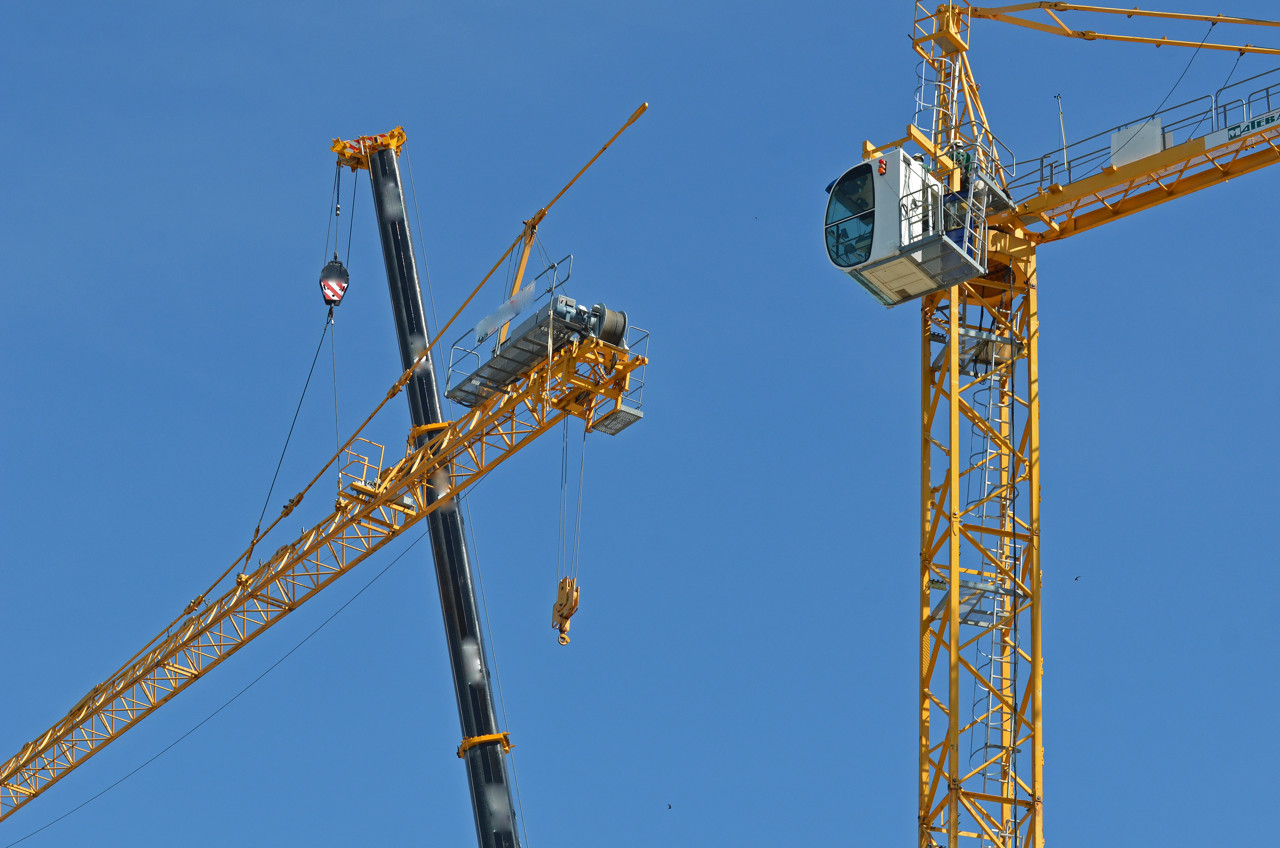
- Types of crane (tower, mobile, auxiliary, port, etc.).
- Structure and main components.
- Reading technical drawings and diagrams.
MODULE 2: PREVENTIVE MAINTENANCE.
- Periodic checks.
- Greasing and lubrication.
- Check cables, pulleys and brakes.
- Checking hydraulic systems.
- Checking safety devices.
MODULE 3: TROUBLESHOOTING.
- Diagnostic methodology.
- Common mechanical faults.
- Electrical faults (sensors, drives, cabinets).
- Hydraulic failures.
- Use of measurement tools.
MODULE 4: SAFETY AND REGULATIONS.
- Intervention safety rules.
- Working at height.
- Consignment and de-consignment.
- Regulatory obligations and responsibilities.
TRAINING PERFORMANCE
- Satisfaction rate: 90%.
- 100% of beneficiaries complete the training.
RNCP STATISTICAL DATA
Date of publication 20-07-2023
Certifier : Ministry of Labour, Full Employment and Integration
MORE JOB OPPORTUNITIES AND CAREER PATHS
After completing the course, participants will be able to access positions such as :
- Crane maintenance technician.
- Lifting equipment repairer.
- Construction machinery mechanic.
- Electromechanic.
- Industrial maintenance agent.
- After-sales service technician.
 French
  English
  Spanish